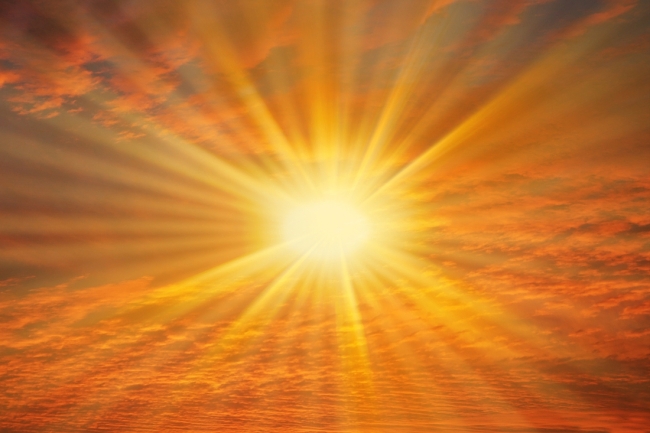
 Photo from: oprs.usc.edu
This full moon is at 27 Leo with the Sabian symbol for, “Daybreak – the luminescence of dawn in the eastern sky.” All year so far we’ve been heralding new beginnings—and OH it does continue. This beginning is more about your individual flare. What is it that only you can contribute, that no one else can? Simply by virtue of being yourself—you offer your energy and your services—your presence, your individuality is part of ALL that is. Your ability to ‘be present’ is your gift to creation.
I’ve never really identified with my Leo Sun-sign, even though, in part I did more-so when I was a child. When I was a child, I was rather uninhibited. A full moon in Leo with sun in Aquarius is a time when my solar energy and my ascendant path are highlighted. Perhaps it was the attention to the Leo side of me that the Aquarius side of me felt really neglected—outcast, even. Well, I’m starting to feel the pendulum swing back again, my friends. Every time it does swing though, it brings with it the momentum from where it’s come. The seeming polarity of Aquarius and Leo has begun vibrating in my life with a resonant tone. The archetypes have been singing together, the SAME tune!
I‘ve been walking the path of Ubuntu. As astrologer Stephanie Austin so wonderfully writes in the Mountain Astrologer for this lunation something that I’ve had in my mind for a while, but never put into words myself. “Ubuntu, a Zulu or Xhosa word meaning ‘humanness,’ is a principle that describes the spiritual task of Aquarius: to create a kinship transcending family, religion, race, and country.” It’s a great word. I first noticed it when people talked about open source computer software. Then, I heard it while wearing my Anthropologist’s hat.
Now, you don’t have to be an Aquarius rising and Leo Sun to want that, Ubuntu, nor do you have to be an astrologer, a Zulu or a Xhosa, but the anthropologist in me feels that she was looking for that kinship in tribe for a long time, and she’s really found it. This full moon in Leo also activates my Nodal axis of N.Node in Leo and S. Node in Aquarius.
Regardless of what the astrological interpretation IS: I’m going to enjoy myself –and move as spirit moves me. I know what it means to be human and transcend my family, religion, race, and country. Now, I want to know, again, what it IS like to just be ME again, with nothing to transcend.
I’m starting to get my incredibly long and unmanageable mane back (my hair). I’m starting to find that spark that was purely ME again. Let’s DO this, tribe! Let’s BE US—a people full of ME—that are really good at letting other people BE whoever it is that THEY ARE… and encouraging all of us… just to BE. I look forward to this new momentum and updating my website, and all that I can make available to you via this spiritual transmission of beingness called Ka Malana. In my heart of hearts, I SEE you. I FEEL you. You have inspired me to cultivate my own spark, for you and I are ONE. Thank you.
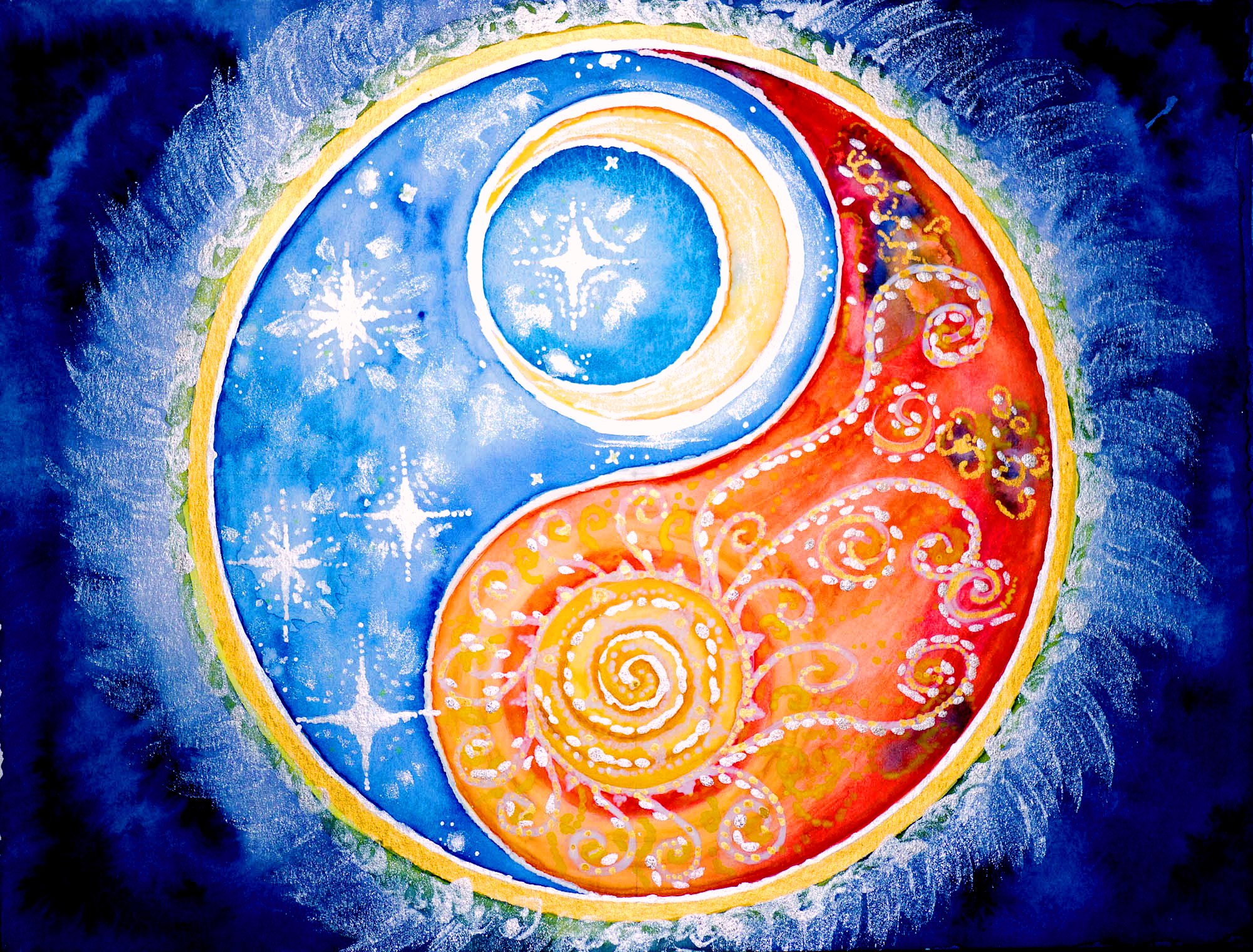
I’ve been working with a beautiful deck by Ana Cortez, http://anacortez.com/. She and her father created the deck together. Here’s a poem about the One-Eyed Jacks by CJF that I think really illustrates the duality of Aquarius and Leo; the subjective and the objective realities; science and art. I also encourage you to check out this oracle beautiful deck, if it resonates with you.
“THE ONE-EYED JACKS”
In among the Lords and the Ladies
That rule this curious pack,
There’s a one-eyed pair of brothers
Both take the name of Jack.
At a glance they seem dissimilar,
Like night opposing day
Each looks his own direction,
Sees the world in his own way.
What’s misleading, each lives separate
And serves a different Queen
But unless they’re viewed together,
Leaves half a man unseen.
–CJF”








 Fiesta Estrellas
You must be logged in to post a comment.